Rekeying is as effective as replacing a lock for stopping the old key from opening a sound, correctly rekeyed cylinder. It does not make damaged hardware stronger, repair a weak door frame, or give an ordinary lock the protection of a different, higher-security design.
- Is rekeying a lock as secure as replacing it? For changing authorized keys on sound hardware, yes.
- Rekeying changes which key works; replacement changes the hardware itself.
- Repair damage and poor door alignment before treating a key change as a complete security fix.
- GO Locksmith provides mobile rekeying services for Fort Myers and Southwest Florida properties.
Is rekeying a lock as secure as replacing it?
Rekey to change access. Replace to change hardware. Those are different security goals, and the right choice starts with the problem you need to solve.
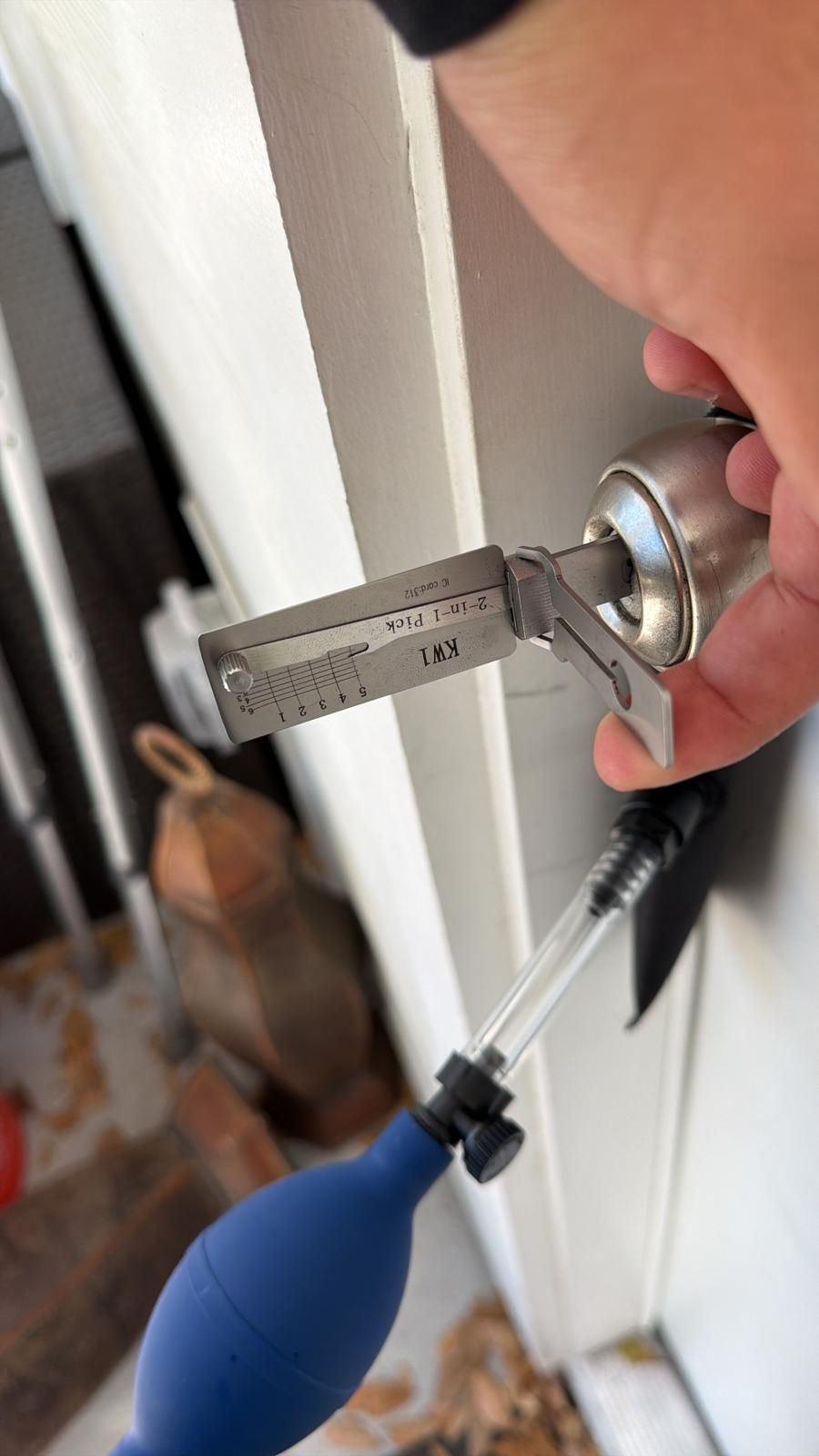
GO Locksmith's rekeying service changes the inside of existing locks so previous keys no longer work. Its service guidance recommends assessing whether the locks still work well before deciding between rekeying and replacement.
| Security concern | Rekeying | Replacement |
|---|---|---|
| Someone has a copy of your old key | Changes which key operates the rekeyed cylinder | A new, differently keyed cylinder also changes access |
| You do not know who received keys before you moved in | Resets authorized keys on suitable existing hardware | Resets keys while changing the hardware |
| The lock is broken or badly worn | Does not restore the whole lock's condition | Changes the failed hardware when a suitable replacement is fitted |
| You want a different locking design | Keeps the existing design | Allows a compatible different design |
| The door frame or strike area is damaged | Does not repair the frame | A new lock alone does not repair the frame either |
The decision is about access versus condition—not about whether a lock looks new. A correctly functioning lock with unfamiliar key holders has an access problem. A lock that jams or a door that cannot hold the bolt has a condition problem.
Why this matters
A new key feels reassuring, but it is only one part of securing an entrance. The cylinder, bolt, door, frame, and your other access methods all matter.
If your concern is an old tenant's key, rekeying suitable hardware directly addresses that concern. If your concern is a loose strike plate or damage after forced entry, changing pins does not address the damaged parts.
Replacing every lock without checking the door can also miss the point. New hardware attached to a damaged or poorly aligned entrance does not automatically create a dependable barrier.
What does rekeying actually change?
Rekeying changes the internal keying arrangement of a suitable cylinder so it accepts a different key. The visible knob, lever, or deadbolt can remain in place.
For common pin-based residential cylinders, the internal parts are matched to the new key. The intended result is straightforward: the authorized new key works, and the former ordinary key does not.
Do not confuse rekeying with cutting another copy. A duplicate preserves the existing key pattern and leaves previous copies usable. Rekeying changes the pattern accepted by the cylinder.
What rekeying does not change
A rekey does not turn your current lock into a different model. The existing bolt design, external hardware, and door installation remain part of the same entrance unless other work is performed.
Rekeying alone does not:
- Repair a cracked frame.
- Correct a bolt that scrapes against the strike.
- Replace a damaged latch or deadbolt body.
- Add electronic access features.
- Remove active keypad codes or app users.
- Make incompatible locks share a key.
That final point is important when you want one key for the house. The locksmith needs to check compatibility rather than assuming every cylinder accepts the same kind of key.
When is rekeying the sensible choice?
Rekeying suits an access change when the hardware is sound and the existing locking arrangement meets your needs. The main question is who can still enter with a key you no longer control.
GO Locksmith provides rekeying for residents and businesses across Fort Myers and Southwest Florida. Describe why you want access changed so the visit can cover the right doors and key holders.
After moving into a home
You cannot determine how many copies exist just by counting the keys handed over at closing. Ask for the exterior keyed entrances to be assessed and identify which cylinders you want rekeyed.
Walk the property before the visit. Include side doors, patio access, garage-to-house doors, and any separate keyed entrance that gives access to areas you want secured.
For a move-in checklist, do not stop with mechanical keys. Check garage remotes, keypad codes, smart-lock users, and any other entry permissions that passed from the previous occupants.
After a tenant or roommate leaves
Identify exactly which keys the person used. Then check whether any other cylinders or shared arrangements are affected.
For a rental or condominium, confirm the work is authorized and compatible with the building's access rules before arranging changes. A managed property's required key system needs coordination with its owner or manager.
After a key is lost
A missing key creates an access question even when the lock works perfectly. Tell the locksmith which key disappeared and what it operated.
If the key opened several entrances, changing only the front-door cylinder leaves the other affected cylinders unchanged. Treat the key's actual access as the scope of the job.
When should you replace the lock instead?
Replacement makes sense when the hardware itself is unsuitable, damaged, or unreliable and cannot be restored appropriately. It also makes sense when you deliberately want a different compatible locking design.
Do not use rekeying to avoid diagnosing a failing lock. If the key sticks, the thumb turn binds, or the bolt fails to extend, have the cause assessed before deciding which parts to keep.
Replacement is a conversation to have when:
- There is visible impact or forced-entry damage.
- Internal parts have failed.
- The lock cannot operate reliably after appropriate service.
- The current design does not meet your access needs.
- You want a compatible keypad or smart-lock arrangement.
- Existing cylinders cannot support the key arrangement you need.
A locksmith should separate lock replacement from door repair. If the frame, hinges, or strike area need attention, the job description should include those findings rather than pretending a new lock solves everything.
A new lock is not automatically an upgrade
Replacing a lock with a similar model can restore function without changing its security design. If your goal is stronger protection, ask what is different about the proposed hardware and installation.
A finish change is not a security specification. A glossy new faceplate should not distract from whether the bolt works correctly, the frame is sound, and the product is appropriate for the door.
For a hurricane-rated entrance, replacement hardware needs particular care. The door assembly's requirements should be checked before swapping parts; the guide to deadbolts for hurricane-prone homes explains why door compatibility matters.
Why does the right choice vary from door to door?
You do not need to choose one treatment for every entrance. A sound front-door lock can be rekeyed while a damaged side-door lock is repaired or replaced.
The decision depends on these separate checks:
- Access risk: who has keys, and which cylinders those keys operate.
- Hardware condition: whether the cylinder, latch, and bolt work properly.
- Door condition: whether the door closes and the bolt engages without force.
- Compatibility: whether the existing cylinder supports the new key arrangement.
- Desired features: whether you need a different access method or locking design.
- Property rules: whether an owner, association, or manager needs to authorize the change.
For a property refresh, write the findings per door. That produces a more useful plan than deciding that every old-looking lock must be replaced or every working lock must be left untouched.
How do you check that the rekey was completed properly?
Arrange a handover that checks the result, not just the paperwork. Ask the technician to explain which cylinders were changed and which were not part of the work.
Keep a safe means of entry while testing. Test with the door open first, then test normal operation with the door closed once you know the bolt and key work without force.
Check the new key
The new key should insert, turn, and come out normally. The bolt should extend and retract without requiring you to twist the key hard or lift the door to make it work.
A lock that operates only when you push, pull, or lift the door still needs an explanation. Rekeying should not hide a remaining alignment or mechanical fault.
Check the old key
If you still have an old ordinary key, ask the locksmith to demonstrate that it no longer operates each changed cylinder. This is the most direct check that the access change happened where you intended it to happen.
Managed or master-keyed systems need a more specific discussion about retained access. Do not assume every authorized master credential is removed just because an occupant key has changed.
Record the door list
Use a simple handover checklist:
- Which entrances were rekeyed.
- Which new key operates each entrance.
- Whether old keys were tested.
- Whether any master-key access remains.
- Whether any repair or replacement is still needed.
- Who receives the new copies.
You do not need to write down sensitive key-cut information. A clear record of doors and authorized holders is enough for ordinary household administration.
Is rekeying enough for a smart lock?
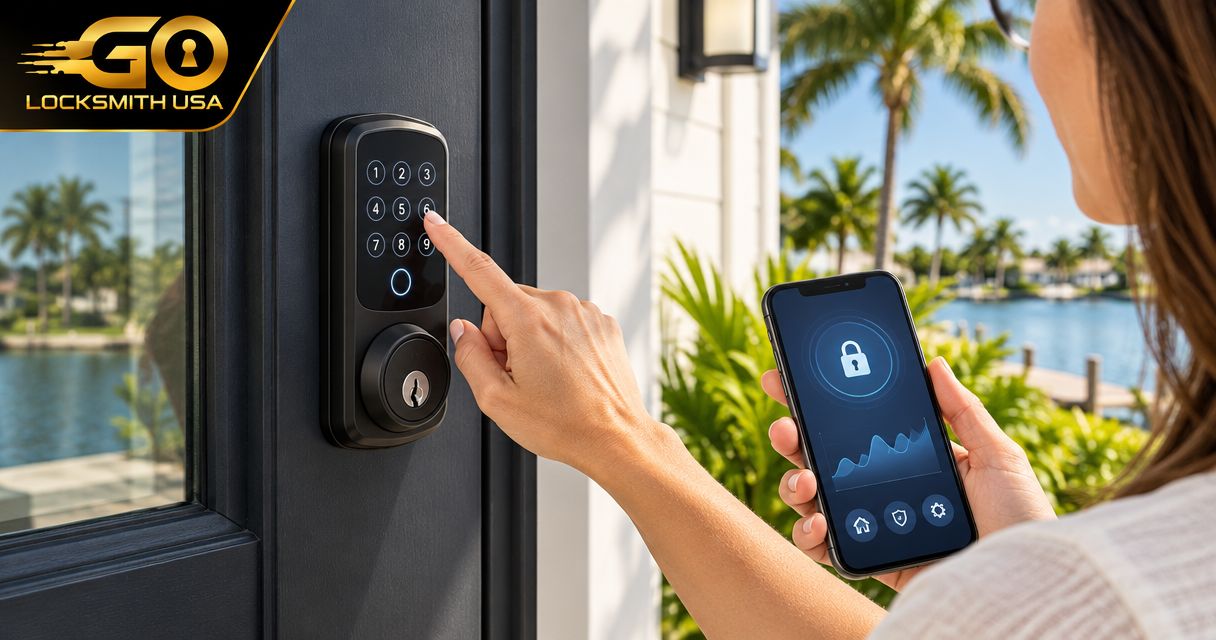
Not if the concern includes electronic access. A smart lock with a mechanical cylinder can have both physical keys and digital permissions, and changing one does not necessarily change the other.
Review active keypad codes, app users, and any connected rental-management access separately. Follow the model's documented process and avoid assuming a cylinder rekey resets its electronic settings.
A complete access handover means checking every entry method the installed product supports. Start with the methods actually in use instead of adding features you do not need.
GO Locksmith provides residential and commercial lock rekeying. A mechanical rekey and a digital access reset are different tasks; confirm the supported work for your installed hardware before arranging service.
Can several locks use the same new key?
Compatible cylinders can often be configured to share a key. The locksmith needs to inspect the keyways and hardware before promising that result.
Convenience and access separation are different goals. One household key can be convenient, but a property with private rooms, staff-only areas, or separate tenants needs an access plan rather than a blanket same-key decision.
Do not call a same-key household arrangement a master-key system unless that is the system you are actually requesting. A master-key arrangement provides different levels of key access and needs deliberate planning.
FAQ
Does rekeying stop the old key from working?
Yes, a correctly rekeyed cylinder stops its former ordinary key from operating it. Ask about retained master-key access if the property uses a managed key system.
Is a rekeyed lock weaker than a new lock?
Rekeying does not inherently make sound hardware weaker. It also does not upgrade the lock's existing design or repair damaged parts.
Should I rekey after buying a house?
Rekeying suitable exterior cylinders changes who can enter with the former keys. Check other entry methods, including garage remotes and digital lock access, separately.
Will rekeying fix a lock that keeps jamming?
Rekeying alone does not fix every cause of jamming. Have the lock and door assessed for mechanical faults and alignment problems.
Can rekeying make all my doors use one key?
Compatible cylinders can often share a key. The locksmith must check the existing hardware before confirming that arrangement.
Does a rekey remove smart-lock codes?
No, changing a mechanical cylinder does not necessarily remove keypad codes or app users. Review digital access through the installed model's documented process.
When is replacing a lock the better choice?
Replacement is the better choice when the hardware is damaged, unsuitable, or cannot be restored reliably. Door and frame damage still need separate attention.
One last thing
Count cylinders, not just doors. An entrance can have more than one keyed lock, and changing one does not change the others.
For an access reset, list the actual locks and entry permissions you want changed before calling GO Locksmith. That helps distinguish a rekey from repairs, replacement, or changes to other entry permissions.
Related guides
- Choosing smart locks for Florida homes
- Smart-lock choices for Fort Myers rental properties
- Keyless entry options for small businesses
Need locksmith service?
Pricing depends on the specific job. Call GO Locksmith at (239) 412-1101 to check availability, request service, or ask for an estimate.
Business hours: Sunday–Thursday 7:00 AM–11:00 PM; Friday 7:00 AM–5:00 PM; Saturday closed.